Consistent Action Isn't a Discipline Problem
(It's an Execution Block)
Key Points
Consistent action isn't built through willpower or better habits. It's what naturally happens when the interference slowing your cycle time is removed.
Cycle time is the distance between deciding and doing. Most founders have never measured it. That measurement is where the revenue leak becomes visible.
Long cycle times run quietly. Revenue doesn't collapse. It holds still while effort stays high, and the gap between current and target widens invisibly.
This shows up three distinct ways: the Tuesday Idea Loop, the Waiting to Be Ready pattern, and the Draft That Never Posts. Most people recognize at least two.
The same pattern recognition that built your business is now slowing it down. That's not a character flaw. It's a pattern. And patterns can be resolved.
You've been calling it the wrong thing
You've tried discipline. Time blocking. Accountability partners. Systems for your systems.
And you're still not moving at the pace that would actually close the gap.
Not because you need better systems. Because the problem isn't what you think it is.
Cycle time is the distance between deciding and doing. Between "I should do this" and done. It's the metric most founders scaling a service business never track, and it's the one quietly determining their growth rate.
Short cycle times compound. Every fast decision creates data, momentum, and options. Every slow one delays all three.
This isn't a motivation problem. It's an execution block. And it shows up in some very specific ways.
You are consistent in a lot of areas of your business. You show up for clients. You follow through on delivery. You meet deadlines when other people are depending on you. But your own growth initiatives? Different story. The launch that's been almost ready for three months. The content you drafted and didn't post. The offer revision that's been open in a tab since February.
That's not inconsistency. That's interference. And it has a measurable cost.
Cycle time is the distance between deciding and doing. Short cycle times compound. Long ones quietly flatten growth even when effort stays high.
What cycle time actually is
Cycle time is how long it takes you to go from idea to execution. From "I should do this" to done.
Most founders scaling a service business never track it. They track revenue, client load, and hours. They don't track how many days pass between a decision and action on that decision.
In the early stage of building a business, long cycle times make sense. Thinking carefully before moving is the right instinct when the landscape is new. The deliberate, thorough approach builds credibility and avoids expensive mistakes.
At a higher stage, that same instinct becomes the ceiling. You already know enough to move. The gap isn't information. It's cycle time. And a long cycle time leaks opportunity in ways that are hard to see in the moment, but very clear when you look at a twelve-month window.
The three ways it runs
The Tuesday Idea Loop
You have a good idea on a Tuesday. You know it's good. By Thursday, you've thought about it from seven different angles. By the following week, you've workshopped the objections, considered the timing, wondered if the market is ready, and wondered if you're ready. By the end of the month, it's still an idea.
You didn't decide against it. You didn't decide for it. You stayed in the loop. Not because of confusion. Because your system is evaluating the risk of moving before it has enough certainty to feel safe, and certainty at this level of business doesn't arrive before action. It arrives after.
The Waiting to Be Ready Pattern
You need to raise your rates. You've known for six months. But the new rate isn't set, the page isn't updated, and you're still quoting the number that made sense two years ago.
Not because you're afraid. Because you're waiting for the right time. A few more testimonials. A stronger case study. A clearer sense of what the market will tolerate. Each condition sounds reasonable. None of them are the actual condition. The actual condition is feeling certain before you move. And that certainty was never going to arrive before the move.
Markets don't reward the most refined version. They reward the version that shows up.
The Draft That Never Posts
You said you'd post consistently this quarter. You have content in drafts. Real content. Good content. Some of it has been sitting there for three weeks. Every time you open it, something isn't quite right. The hook. The framing. The call to action. You open it. You close it. You open it again. Nothing gets posted.
This one is particularly expensive because it's invisible. The content exists. The effort happened. The audience never saw it. And while the draft sits, your visibility holds still, and your competitors who posted version one are getting the feedback you're waiting to feel ready enough to earn.
Why the sharpest operators have the longest cycle times
The entrepreneurs I work with are not slow thinkers. They're usually the opposite. They can see around corners. They can anticipate problems before they happen.
That skill is also what's holding them in place.
The same pattern recognition that lets you spot a weak strategy also lets you spot every possible way a decision could go wrong before you've had a chance to find out whether it would. So the system applies the brakes. It evaluates. It waits for more certainty.
And while it waits, the gap between where you are and where you're trying to go holds steady. Not because you aren't working. Because your cycle time is long.
Revenue didn't collapse. It plateaued. Because markets respond to momentum. They don't wait for perfect.
Measure your cycle time (the audit nobody does)
Three questions. Most people have never answered them directly.
Pick three forward initiatives from the last six months. A launch, a rate increase, a content push, a partnership, a hire. Something you decided to do and then moved on.
For each one, answer:
How many days passed between the decision and the action?
How many rounds of internal revision happened before it went live?
If you ran that same initiative today with what you know now, how many of those revision rounds were actually necessary?
Most people who do this exercise find two things. First, their cycle time is longer than they thought. Second, most of the revision rounds didn't change the outcome. They delayed it.
That's not inefficiency. That's the pattern. And now you have a number instead of a feeling.
The cost isn't calculated by how hard the delay felt. A fourteen-month plateau with consistent effort costs more than a two-week painful stall. The comfort of feeling productive while the cycle runs long is exactly what makes this expensive. Nothing explicitly went wrong. That's the trap.
Signs this is your pattern
If any of these are true, the block is running.
You've had three or more versions of the same offer, post, or plan that never launched
You've been almost ready on the same thing more than once
You know what the next move is, and keep finding reasons it's not quite time
You have content in drafts that's been there for more than two weeks
You can name what you'd do if you had to decide today, but haven't moved
The gap between where you are and where you're trying to go has held steady for more than six months despite consistent effort
That last one is the number that matters. Not how it felt. How long it's been.
What actually changes when the block resolves
This is one of the five execution blocks I work with. It sits inside what most people call self-sabotage, but not the version with the dramatic story attached. This is the quiet version. The one that looks like diligence, thoroughness, and responsibility, while holding your revenue exactly where it is.
Consistent action isn't a discipline practice. It isn't something you build with enough willpower or the right morning routine. It's what naturally happens when the block slowing your cycle time is no longer running.
You don't become more disciplined. You become more aligned. And aligned execution moves faster, not because you're working harder, but because the interference is gone.
One client had been at $25,000 a month for over a year. Established practice. Real results. Smart operator. When we started working together, cycle time was the first thing we looked at. Every offer update went through multiple internal rounds before going live. Every launch decision required her to feel ready before she moved. Every collaboration got thoroughly evaluated, then set aside, then re-evaluated.
Nothing reckless happened. Nothing fast happened either. The revenue gap that had been open for fourteen months closed in a quarter. Not because she worked harder. Because her cycle time shortened.
Frequently asked questions
Is this the same as perfectionism?
They overlap but they're not the same engine. Perfectionism is a standards problem. Nothing clears the bar for done. The cycle time block is a safety problem. Done is being delayed because moving fast was once risky and the system hasn't updated its calculation. The Draft That Never Posts is where the two share the most territory. Same behavior from the outside, different mechanism underneath.
How is this different from analysis paralysis?
Analysis paralysis is about landing on a decision. The cycle time block shows up after the decision is made. You know what you're doing. You've decided. The gap is between that decision and the action. That's a different point in the execution sequence, and it needs a different kind of work to resolve. If you're not sure which one is running, the decision paralysis post covers that pattern in detail.
Can I fix this on my own?
Understanding the pattern genuinely helps. Recognizing that long cycle time is a protection mechanism and not a character flaw changes how you relate to it. That said, most founders who understand this pattern clearly can still describe being in it six months later. Understanding why it runs and interrupting it are two different kinds of work.
How long does it take to resolve?
Depends on which block is running underneath the cycle time delay and how long it's been running. The founders who move fastest are the ones who stop trying to optimize around the pattern and start working on what's underneath it. The 90 Day Execution Reset is built around that distinction.
Find out what your loop is actually costing you
You already have a sense it's costing something. What you don't have is the number.
The calculator at jenniehays.com/calculator takes two minutes. Put in how long the plateau has been running and what your target revenue looks like. It gives you the specific figure for the specific amount of time your cycle has been long.
Most people go quiet for a second when they see it.
That's interference. And that's what I help remove.
Find out what your loop is costing you: jenniehays.com/calculator
Suggested Reading in This Series
Cycle time rarely runs as a standalone pattern. These posts map what's underneath it and what runs alongside it:
Decision Paralysis Is Not Indecision (And That Distinction Is Costing You Revenue)
Is Perfectionism Costing You Revenue? Why It's Not About High Standards
About Jennie Hays | Execution Block Specialist
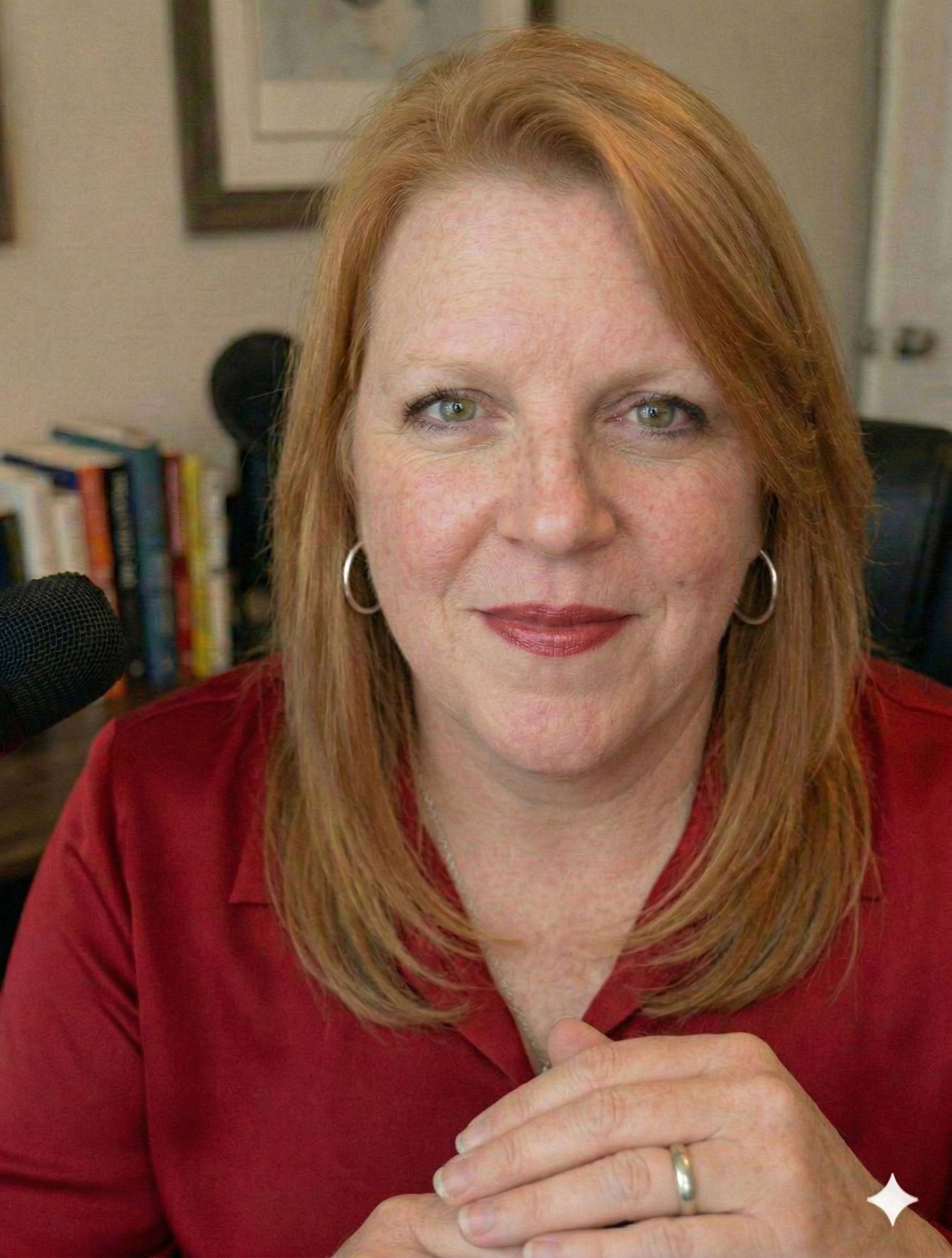
Jennie Hays is an Execution Block Specialist who works with entrepreneurs stalled at their next level. Her clients don't lack strategy. They're blocked from executing it and that gap has a measurable dollar cost.
Through Rapid Block Resolution, Jennie identifies the specific internal interference slowing execution, removes the friction attached to it, and restores consistent forward movement. She solves the right problem first and builds independence, not dependency.
Because once the block is resolved, execution becomes natural.
Learn more at jenniehays.com | Calculate what your stall is costing you at jenniehays.com/calculator