Why Analysis Paralysis Is Burning You Out
(And It's Not a Thinking Problem)
Key Points
The clearest sign of analysis paralysis isn't general indecision; it's confident action almost everywhere, except in the one specific kind of visibility that makes you feel exposed.
The block isn't tied to a category like "decisions" or "revenue." It shows up wherever a particular kind of exposure lives, even if that looks completely different from one person to the next.
The fix isn't a better decision-making framework, and it isn't "just doing the thing" either. It's removing the block itself, the thing that was making the decision feel dangerous in the first place. Once that's gone, action follows on its own.
You know exactly what to charge a client who's pushing back on your rate. You know how to handle a no-show. You know when to fire a vendor who's wasting your time.
But there's one specific area, maybe an offer you haven't finalized, a price increase you've drafted three different emails about, or simply telling people what you actually do, that's been stuck for weeks. Sometimes years. And you can't fully explain why, because on paper, you have everything you need.
Here's what makes this confusing: it's rarely about confidence in general. Someone can lead worship in front of a room every week for years, sing, play, pray out loud in front of strangers, and still completely freeze the moment it's time to market their own business. That's not a contradiction. It's the same block, just attached to a different kind of exposure.
Analysis paralysis isn't about which activities look hard from the outside. It's about which kind of being-seen feels dangerous.
For one person, that's a sales conversation. For someone else, it's standing on a stage. For someone else, it's publishing the offer they've been quietly drafting for six months.
The avoided thing isn't predictable from the outside. It's specific to what that particular exposure threatens to prove.
If you've found yourself asking why you can't take action on this one specific thing while handling everything else, even things that look far more exposing, without hesitation, the question itself is pointing you in the right direction. The block isn't about general capability. It's isolated to a specific kind of exposure, which usually means the cause is more specific than you think.
The scary part isn't making the decision or doing the thing. The scary part is what doing it would prove, one way or the other, in front of the people whose opinion actually feels like it counts.
Why does this decision feel impossible when the facts are this simple?
Most entrepreneurs assume a stalled decision means they need more clarity. So they research. They build comparison docs. They ask around. And none of it moves the decision forward, because the missing piece was never information.
Here's the distinction worth sitting with: a genuinely difficult decision gets easier as you gather relevant facts. A blocked decision does the opposite. The more you "research," the more new variables appear that suddenly feel essential to check first. If that's happening to you, the research isn't solving the problem. It's the latest version of the problem.
Why won't more information fix this?
The actual obstacle isn't complexity or missing information. It's that finishing this particular thing means you'll find out whether you were right, in a way other people can see. Staying in research mode means you never have to find out.
Why does avoiding this feel like being responsible instead of stuck?
This is the part that makes the block so hard to catch in yourself: every version of it looks reasonable.
Spending three weeks comparing options looks thorough. Reordering your task list before starting looks organized. Asking five people for their take looks collaborative. None of these read as avoidance, to you or to anyone watching. That's exactly why they work as a hiding place.
The pattern underneath all of them is the same: each one lets you stay engaged with the avoided thing without ever having to actually be seen doing it.
If you want to see this mapped out in detail, the full video breaks down four specific ways this shows up day to day, including the version that costs you sleep and the one where you outsource the call to avoid being the one who made it.
What is an unresolved decision actually costing you?
The obvious cost is time. The less obvious cost is bandwidth. An unmade choice or avoided action doesn't politely wait its turn. It runs in the background the entire time you're doing something else, which means the work you are doing gets a smaller share of your attention than it should.
This is what it actually looks like day to day. Checking the same document again, for no real reason. Feeling tired before you've even started, because some of your energy is already spent. Avoiding quiet moments, because that's exactly when the decision gets loud. Telling yourself you need "one clean day" before you can finally deal with it, a day that never quite arrives. Mistaking the background drag of an unresolved decision for a lack of discipline, when discipline was never the missing ingredient.
Most people interpret all of this as personal fatigue. They assume they need rest, better focus habits, or fewer distractions. None of those fixes it, because the drain isn't coming from overwork. It's coming from one specific unresolved thing, quietly running in the background of everything else.
The Document That Sat Open for Eight Years
I worked with an entrepreneur who kept a single document open on her desktop for years. Not finished. Not abandoned either. Every few weeks, she'd open it, read what was already there, and close it again without changing a word.
She wasn't missing information. She had researched her ideal client going further back than she wanted to admit. She'd been told, more than once, to just pick a direction. By her own account, she'd "done so much already."
What she didn't have was a version with her name attached that she'd actually call finished.
Once we removed the block, the shift had nothing to do with clarity. She'd had clarity for years. It had to do with deciding the document didn't need to be right. It needed to exist. She gave herself one week, published the version she had, and nothing catastrophic happened. Three weeks later, she rewrote part of it because, for the first time, she had real feedback to respond to instead of a blank page demanding certainty in advance.
That document sat open for eight years. In her case, one session was enough. We cleared the block, and that gave her the willingness to be wrong and took the pressure out of it. The decision itself didn't get simpler. It got less loaded. And once it was less loaded, she could finally close the loop.
What actually gets a stuck decision unstuck?
Not a better framework. Not more discipline. Not gritting your teeth and deciding anyway. The thing that actually closes an open loop is removing the block that made the decision feel dangerous in the first place. Once that's gone, the decision usually isn't hard anymore. It's just a decision.
A useful test, not a fix, to see whether this is actually what's running the show: pick the thing you've been circling, and set a deadline for the decision itself rather than for more research. When that date arrives, decide with what you already have.
If it holds, you likely just needed a cleaner deadline. If you find yourself softening it, pushing it, or suddenly needing one more piece of information, the deadline isn't the issue.
That reaction is the block, showing you exactly where it lives. And a deadline alone was never going to be the thing that removes it.
Frequently asked questions
If I can act decisively almost everywhere else, can it still be analysis paralysis?
Yes, and this is actually the most common version of it. The block rarely touches everything equally. It tends to concentrate around one specific kind of exposure, which is often not what you'd guess from the outside. Someone can be completely at ease performing, leading, or speaking publicly, and still freeze the moment a different kind of visibility is required, like marketing their own work or naming their own price.
Isn't it just smart to research thoroughly before deciding something important?
Thorough research has a natural endpoint. If you can identify the exact piece of information that would let you decide, and you're actively missing it, that's due diligence. If new things keep feeling essential every time you get close to deciding, that's not research anymore. That's the block generating its own fuel.
What's the difference between this and just being a "slow decision maker"?
A slow decision maker still arrives somewhere, eventually, on their own. Analysis paralysis doesn't resolve on its own timeline. Left alone, it can run for months or years, because the block isn't measuring time. It's avoiding a specific kind of exposure.
Suggested Reading
Burnout Symptoms That Rest Won't Fix
Perfectionism Doesn't Produce Excellence. It Produces Burnout.
Consistent Action Isn't a Discipline Problem
About Jennie Hays | Execution Block Specialist
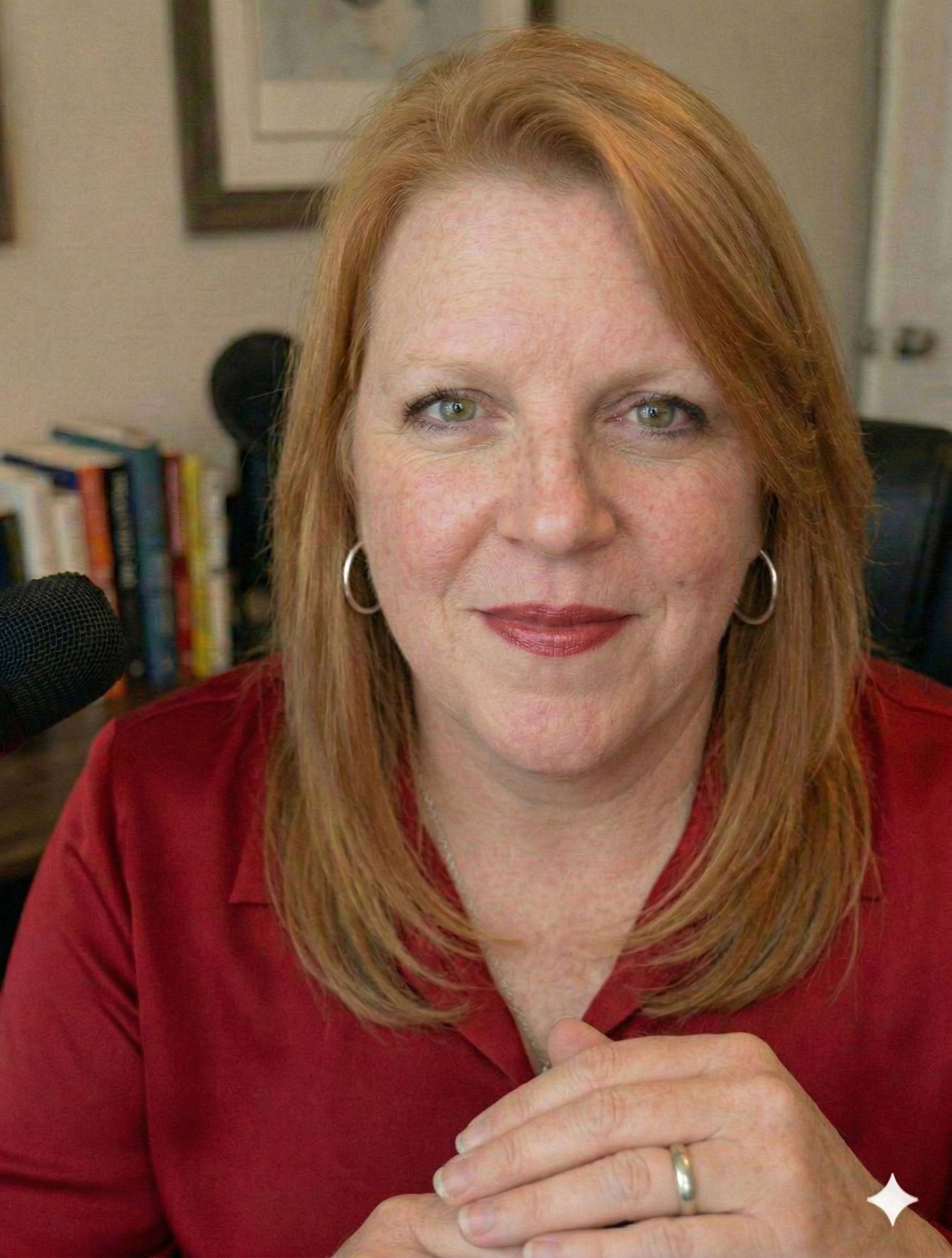
Jennie Hays is an Execution Block Specialist who works with entrepreneurs stalled at their next level. Her clients don't lack strategy. They're blocked from executing it, and that gap has a measurable dollar cost.
Through Rapid Block Resolution, Jennie identifies the specific internal interference slowing execution, removes the friction attached to it, and restores consistent forward movement. She solves the right problem first and builds independence, not dependency.
Because once the block is resolved, execution becomes natural.
Learn more at jenniehays.com