

You already know what to do. So why are you still deciding?

You think it through. Land somewhere. Feel settled for a minute. Then the doubts arrive.
What if it’s wrong? What if you’re missing something? What if you move and it doesn’t work?
So you reopen the decision, research a little more, compare one more option, ask one more person, and somehow end up back where you started.
Sometimes you genuinely need better information. Sometimes the strategy is the problem. But when the answer is already clear and you still can’t make yourself land on it, something else may be interrupting execution.
Book a Call with JennieOne more comparison. One more conversation. One more pros-and-cons list. Still no decision.
Analysis becomes a problem when it stops producing new information.
Thinking is useful.
Research is useful. Comparison is useful. Asking good questions before spending time, money, or energy can save you from very expensive mistakes.
But eventually analysis is supposed to narrow the options.
You may already know enough.
The issue may be that choosing one path means temporarily giving up the others, acting without certainty, testing something publicly, risking wasted effort, or finding out that the decision was not perfect.
That is a different problem than not having enough information.
More thinking is useful only when there is something left to learn.
Before trying to stop overthinking, figure out whether the decision actually needs more information.
You genuinely do not know enough yet.
There is a meaningful fact, number, constraint, or piece of evidence that could change the decision. Get the information.
None of the options make enough sense.
Sometimes the problem is not indecision. The available choices may be poorly designed, unrealistic, or disconnected from the result you actually want.
The decision is too vague.
“What should I do with my business?” is nearly impossible to answer. Clear criteria, a smaller decision, a test period, or a deadline may be enough.
You have enough information but cannot stop reopening the decision.
The same options, risks, and questions keep cycling even though no meaningful new information is being added. Acting on the decision is harder than making it.
What specific new information am I waiting for, and would it actually change my decision?
If you cannot name it, more research may simply be postponing the point where the decision becomes real.
Analysis paralysis often looks like very responsible business behavior.
The never-ending comparison
You have narrowed it to two reasonable options, but keep reading reviews, asking for opinions, comparing features, and looking for the detail that will make one choice completely risk-free.
The strategy that keeps reopening
You choose the platform, offer, niche, schedule, or marketing method. Then three days later you are evaluating all the alternatives again instead of testing the choice.
The research project
You know enough to take the next action, but another book, podcast, training, search, AI conversation, or expert opinion suddenly feels necessary first.
The giant decision
Instead of deciding the next test, you try to predict the perfect answer for the next three years of the business before doing anything today.
The problem is usually not that you forgot decisions are required.
You know you need to choose.
You have probably told yourself to stop overthinking it.
You may have created deadlines, asked for advice, made pros-and-cons lists, or tried to force yourself to pick something.
Some choices really are high stakes.
But many business decisions become clearer only after you act. The missing information is not available in advance because it comes from the market, the client, the workflow, or your own experience of actually doing the thing.
Some answers only exist on the other side of execution.
You cannot know exactly how people will respond to the offer until you make the offer.
You cannot know whether the workflow fits until you use it.
You cannot know whether the content strategy is sustainable until you run it long enough to find out.
You cannot eliminate every possibility that something else might have worked better.
At some point the decision stops being an intellectual problem and becomes an experiment.
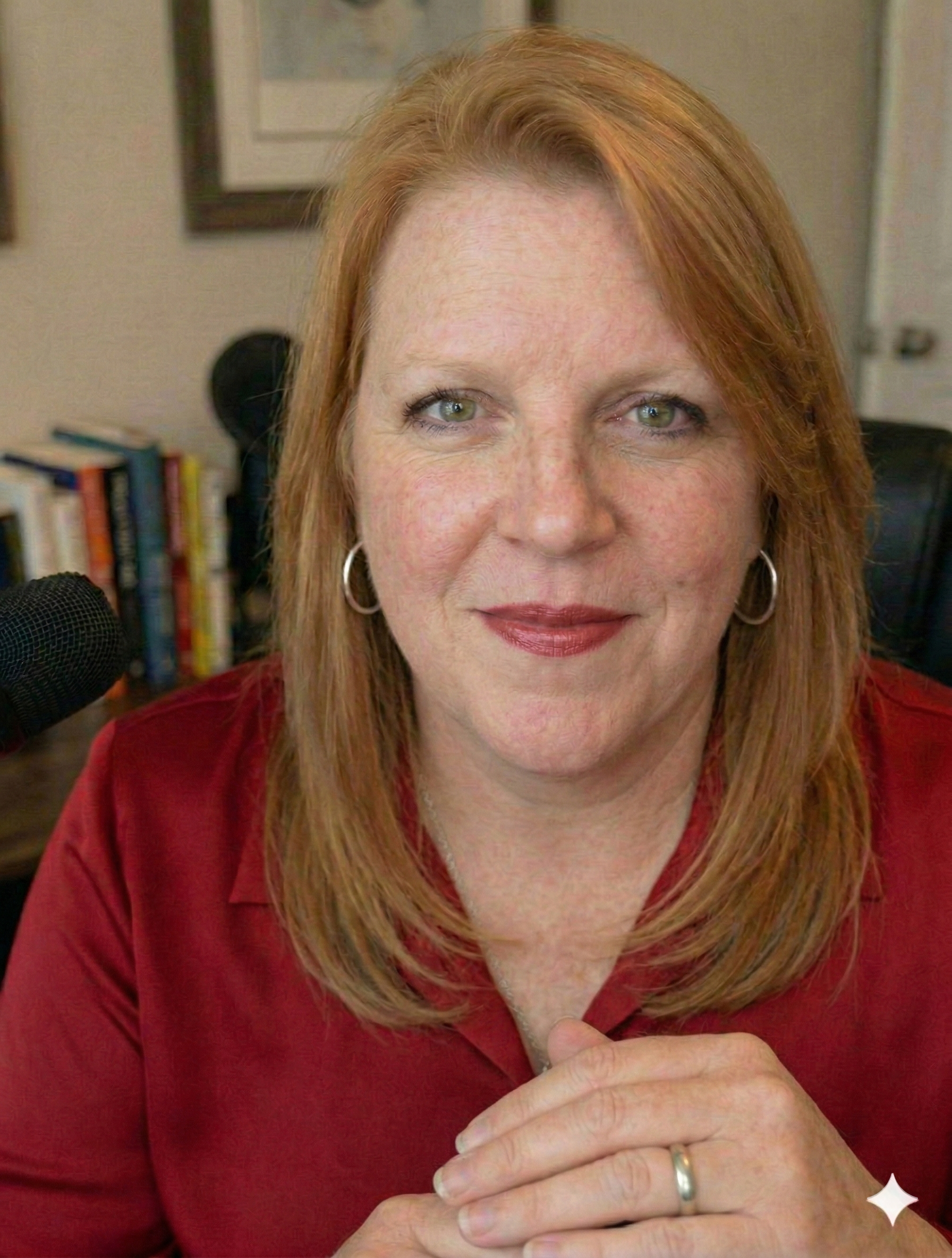
I help you figure out whether you need a better answer or whether you already have enough to move.
I’m an Execution Block Specialist, Brainspotting Practitioner, and business coach for coaches, consultants, and service-based entrepreneurs.
I am not interested in pushing you into decisions before you have the information you need.
Sometimes research is exactly the right next action. Sometimes the strategy really is unclear. Sometimes the decision needs to be smaller or better defined.
But when you keep reaching the same answer and reopening it anyway, we stop looking for a better pros-and-cons list and look at what happens when the decision becomes real.
Get the information that matters. Then stop demanding certainty that execution has to create.
Rapid Block Resolution
When the information is sufficient but the same decision keeps reopening, we identify what changes when choosing turns into acting.
The goal is not to make you reckless. It is to stop requiring an impossible level of certainty before taking a reasonable next step.
Strategy Alignment
We also make sure the decision is designed well enough to make. What information matters? What criteria are you using? Can the choice be tested? What would tell you to continue, adjust, or stop?
A good strategy does not require you to predict the entire future before you begin.
Decisions become starting points instead of permanent intellectual projects.
You know what information matters and when you have enough of it.
You stop reopening the entire question every time uncertainty appears.
Instead of predicting the perfect long-term answer, you identify the next useful test.
The market, workflow, and results can finally tell you what thinking alone could not.
The decision becomes something you can act on instead of something you have to keep thinking about.
“I've got plan A, B, C, D, E, F. Okay, we're good. We're gonna be fine.”
“Started using the Pomodoro technique, which has been helpful... I also removed my requirements to work on the weekend... I was not doing it, and I was feeling guilty about not doing it. So I'm feeling somewhat better there.”
“I feel good... I feel freer... Like, okay, I can do that.”
Do you need more information, or are you trying to think your way around the part that can only be learned by acting?
Book a call with Jennie and figure out whether the problem is information, strategy, structure, or an execution block keeping a reasonable decision from becoming action.
Book a Call with JennieAnalysis Paralysis in Entrepreneurs
What does analysis paralysis look like in entrepreneurs?
It can look like excessive research, repeatedly comparing the same options, asking more people for advice after you already have enough information, reopening decisions, delaying launches, or trying to predict every possible outcome before taking action.
How do I know whether I actually need more information?
Identify the specific missing information and ask whether it could materially change your decision. If it could, go get it. If you cannot name the missing information or keep finding the same answer, more research may not be solving the real problem.
Is analysis paralysis always an execution block?
No. Sometimes the decision genuinely lacks information, the options are poor, or the question is too broad to answer. An execution block becomes more likely when you already have enough information and repeatedly reopen a decision instead of acting on it.
Why do I keep second-guessing decisions I already made?
A decision can feel different once it requires action. Choosing may mean giving up other options, tolerating uncertainty, spending money, becoming visible, risking a poor result, or discovering that the choice was not perfect. If no meaningful new information has appeared, the second-guessing itself may be the more useful thing to examine.
How do I stop researching and finally act?
Define what information you actually need, establish decision criteria, set an endpoint for research, and identify the smallest useful test. When the missing information can only come from execution, taking the next action becomes part of the research.
How is analysis paralysis different from perfectionism?
Analysis paralysis usually centers on deciding which action, option, or strategy to choose. Perfectionism more often appears after a direction has been chosen and the work keeps being revised because it does not feel ready enough to release. The two can overlap when someone keeps researching in order to find the perfect decision.